

A gold wedding ring can be thoughtfully transformed after a breakup through various meaningful options. Skilled jewellers can melt down the gold to create new pieces like pendants or bracelets, whilst original stones can be reset into earrings or necklaces. The ring might also be preserved as a family heirloom, converted into decorative items, or sold to support personal goals. Each approach offers a unique way to honour the ring’s intrinsic value whilst embracing fresh beginnings.

When the sparkle of a wedding ring dims following a breakup, many Australians find themselves contemplating what to do with this precious piece of jewellery. The emotional weight of keeping a wedding ring can be overwhelming, yet its intrinsic value presents numerous opportunities for transformation and healing.
One of the most popular choices is transforming the ring into entirely new jewellery pieces. Skilled jewellers can melt down the gold to create stunning pendants, bracelets, or entirely new rings. The original stones can be expertly reset into earrings or necklaces, while combining the old gold with new materials offers a fresh start symbolised in physical form. Some individuals choose to add additional gemstones, creating more elaborate pieces that reflect their journey of personal growth. Additionally, many artisans draw inspiration from luxury gold jewelry brands to ensure a high-quality finish that resonates with elegance. This transformation can also align with current gold jewelry trends, enhancing both aesthetic appeal and personal significance. Moreover, using recycled gold in these creations supports ethical sourcing practices that benefit communities and the environment.
Transform heartache into beauty by recrafting wedding rings into fresh designs that capture your personal evolution and newfound freedom.
For those seeking a bold statement, redesigning the original ring presents exciting possibilities. The band can be reshaped into contemporary styles, perhaps incorporating unique texturing or meaningful engravings. Some opt to replace the original stone with vibrant sapphires or rubies, while others transform their rings into striking cuff bracelets. Innovative designs might even include versatile elements, such as convertible pendant-ring combinations.
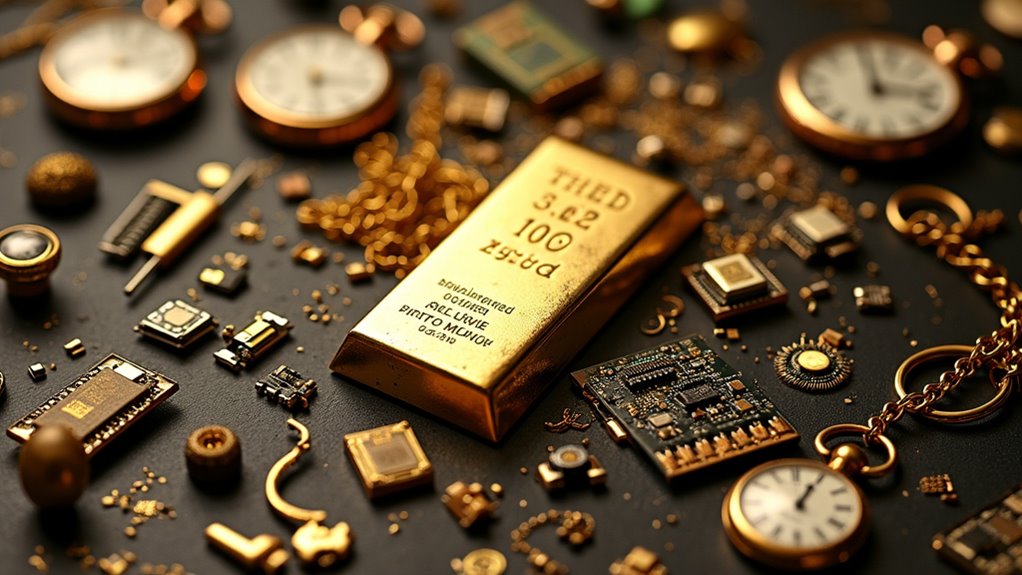
Many Australians choose to preserve their rings as family heirlooms, viewing them as valuable pieces of family history rather than remnants of a past relationship. This approach might involve refinishing the piece for future generations, adding engravings of significant dates or initials, or incorporating it into a family charm bracelet.
These pieces often find homes in carefully curated keepsake boxes, complete with personal inscriptions that tell their evolving story.
Practical repurposing offers another avenue for transformation. The ring might be resized for wear on a different finger or converted into a sophisticated keychain charm. Some creative individuals repurpose their rings into decorative pins or cufflinks, while others incorporate the precious metal into functional home décor items.
For those seeking complete transformation, non-jewellery options abound. The gold can be reshaped into meaningful sculptures or artistic pieces, while some choose to embed their rings in resin artwork or repurpose them into detailed picture frames.
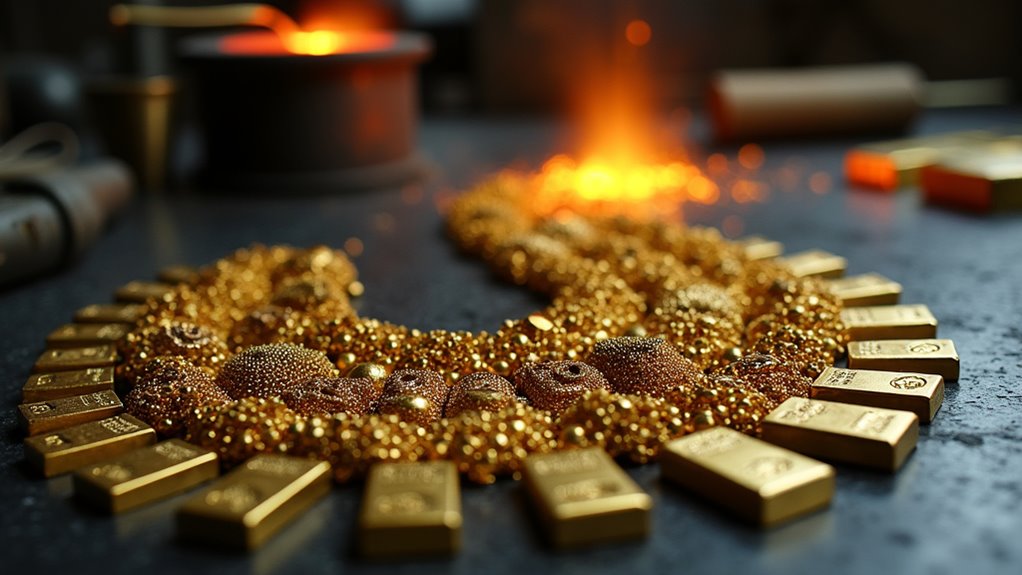
Environmentally conscious individuals might opt to donate their rings for ecological gold reuse initiatives or industrial applications. Ethical gold sourcing ensures that any new creations are made from responsibly sourced materials, promoting sustainable practices within the jewellery industry.
The options of selling or donating provide practical solutions for those seeking closure. Reputable jewellers and auction houses offer fair value for quality pieces, while charitable organisations welcome such donations for various worthy causes.
Some individuals find satisfaction in using the proceeds to support personal goals or contribute to meaningful charitable endeavours.
Alternatively, keeping the ring untouched serves as a valid choice for those who wish to preserve its original form. Whether stored safely away or displayed thoughtfully in a memory box, the unchanged ring can serve as a tangible reminder of life lessons learned and personal growth achieved.
Frequently Asked Questions
Can a Jeweler Determine if My Wedding Ring Is Pure Gold?
Yes, jewellers can definitively determine a ring’s gold purity through several reliable testing methods.
They typically employ acid testing, electronic gold testers, or sophisticated XRF machines for non-destructive analysis.

Professional jewellers also examine hallmarks and use magnifying tools to assess authenticity.
Pure 24-karat gold has distinct characteristics like softness, bright yellow colouring, and non-magnetic properties that trained experts can easily recognise through visual and mechanical inspection.
Will Resizing a Wedding Ring Decrease Its Value?
Resizing a wedding ring typically does not decrease its value when performed by a qualified jeweller.
The impact largely depends on the metal type and design complexity. Gold and platinum rings are generally resilient to resizing, while intricate settings or eternity bands require more care.

Downsizing usually has minimal effect, and upsizing with added precious metal can actually increase the ring’s value due to additional material.
However, antique rings may lose value if altered.
How Long Does It Typically Take to Redesign a Wedding Ring?
The complete process of redesigning a wedding ring typically spans 6-12 weeks, depending on complexity.
The timeline breaks down into several phases: initial consultation (1-2 weeks), design creation (1-3 weeks), production (3-8 weeks), and final adjustments (1-2 weeks).

Customisation choices, such as stone resetting or intricate engravings, can extend the timeframe.
For urgent requests, some jewellers offer expedited services that reduce the process to 4-6 weeks for an additional fee.
Are There Cultural Beliefs About Repurposing Wedding Rings After Divorce?
Cultural beliefs about repurposing wedding rings vary greatly across societies.
Some traditions suggest that wedding rings carry energetic imprints of previous marriages, necessitating cleansing rituals before reuse. Certain cultures advocate returning heirloom rings to family members, whilst others view repurposing as a symbol of personal transformation.

Modern perspectives increasingly embrace the practice of redesigning rings as a therapeutic process, though some communities maintain taboos against reusing marital jewellery.
Should I Inform My Ex-Spouse Before Repurposing Our Wedding Rings?
While not legally required in most cases, informing an ex-spouse about repurposing wedding rings can be a considerate approach.
The decision largely depends on the post-divorce relationship dynamics and any existing agreements. If the ring holds shared sentimental value or was a family heirloom, communication may prevent potential conflicts.
However, if the relationship is strained or there’s clear ownership established through divorce proceedings, notification mightn’t be necessary.


